Search Results for: soil pollution

What is Ozone layer? How is it depleted and what are the control measures?

Ozone absorbs ultraviolet radiations so that much of it is never allowed to reach to the earth surface. The protective umbrella of ozone layer in the stratosphere protects the earth from harmful ultraviolet radiations. Ozone plays an important role in the biology and climatology on the earth’s environment. It filters out all the radiations that remain below 3000Å. Radiations below this wavelength are biologically harmful. Hence any depletion of ozone layer is sure to exert catastrophic impacts on life in the biosphere.
Read Article

What is acid deposition? What is acid rain?

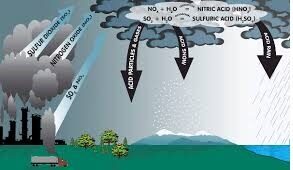
The acid rain affects living and non- living components of environment. In July 1982, Stockholm- the venue of U N –conference on acid rain, suffered heavy acid showers for about a week. In India too, acid rains have been reported since last twenty years in areas where thermal power plants are located and also around Delhi, the capital of India.

Read Article

Urban and Rural Waste and their Management

Different activities may generate waste which may be solid or liquid. The quality of both solid and liquid wastes is increasing and if the wastes are disposed in an uncontrolled manner these may cause adverse impact on public health and environment. Hence these wastes need to be managed efficiently so as to safeguard public health and environment. In definitional terms, solid and liquid waste management is the collection, transportation, processing, recycling, treatment and disposal of waste materials.

Read Article

Landfilling and Incineration

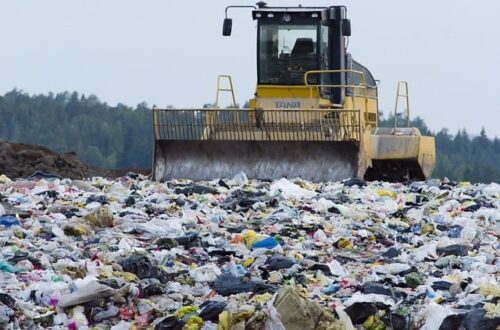
Land-filling is the process of disposing solid waste in low lands or into trenches through proper sanitary methods. It involves- collection, transport, compaction, etc. processes along with proper management for gas-outlet etc. For land filling, the important thing to be taken into account is the distance of waste collection site to the waste dumping site, because it involves cost of transportation.

Read Article

International Initiatives for Environment

A number of non-governmental organisations (NGOs) or non-governmental agencies have been playing their important roles in spreading Environmental Awareness across the globe and in developing policies for the protection of environment and sustainable development.

Read Article

Legal Regimes for Sustainable Development

Modern development has caused a number of environmental problems at local, regional, national and international levels. Global Climate Change, depletion of ozone layer, increasing inequality, reduction in the means of livelihood for poor, scarcity of food, increasing number of disasters, extinction of species, falling underground water table etc. are some of the major environmental problems created by modern unsustainable development. These problems are challenging the existence of human race on this planet.

Read Article

Urban and Rural Waste: Methods of their Disposal

Different activities may generate waste which may be solid or liquid. The quality of both solid and liquid wastes is increasing and if the wastes are disposed in an uncontrolled manner these may cause adverse impact on public health and environment. Hence these wastes need to be managed efficiently so as to safeguard public health and environment.

Read Article

Biomass Energy and its implications

The dry weight of organic matter produced by plants, their derivatives and wastes are called as BIOMASS. The biomass includes crop residues, plant parts, body parts of dead animals and animal wastes. As biomass is created due to photosynthesis by plants, so energy from biomass or bio wastes is regarded as another form of solar energy.

Read Article