
 By Dr. MP Mishra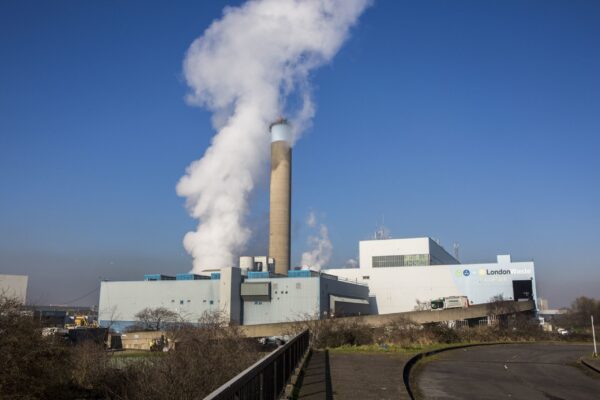
Burning under controlled conditions is called as incineration.
The device used for incineration is called as incinerator.
Burning of wastes under controlled conditions is a rather quick method of solid waste disposal especially in crowded cities. The heat so produced, may be utilized for some useful purposes.
Ashes left after burning are hardly 8 to 10% of the total mass of the waste material. Burning of wastes in incinerators is done both in the presence and absence of air.
Burning in absence of air is called as Pyrolysis whereas burning in the presence of air is just called as incineration.
An incinerator in its simplest form consists of a furnace which is provided with a grating and a chimney. Charging doors are provided for feeding the solid wastes into the furnace.
The burnt ash is taken out through the ash door.
Incineration is a preferred choice for the biomedical waste because it eliminates infectious organisms due to very high temperature (750°C to 980°C). Secondly, it is very economic process due to the fact that a suitable landfill site for the disposal of biomedical waste is hard to find and it often takes a high charge in the transportation of these wastes.
Feature Image: UK Greenpiece




Leave a Reply